
|
Check out our new audio content!
Getting your Trinity Audio player ready...
|
Image by krzysztof-m from Pixabay
By Fuquan Bilal
Meeting Qualifications and Knowing the Fundamentals
Like most processes in life there are obstacles and requirements to qualifying as a “bidder;” however, nothing impossible or too difficult. This business isn’t meant to be hard it really just takes proper preparation and practice. Many times NNG and other note buyers have said that this industry is a “learn by doing” kind of industry. The only way to really get better with the bidding process is to get in there but only after educating yourself on the qualifications and the fundamentals.
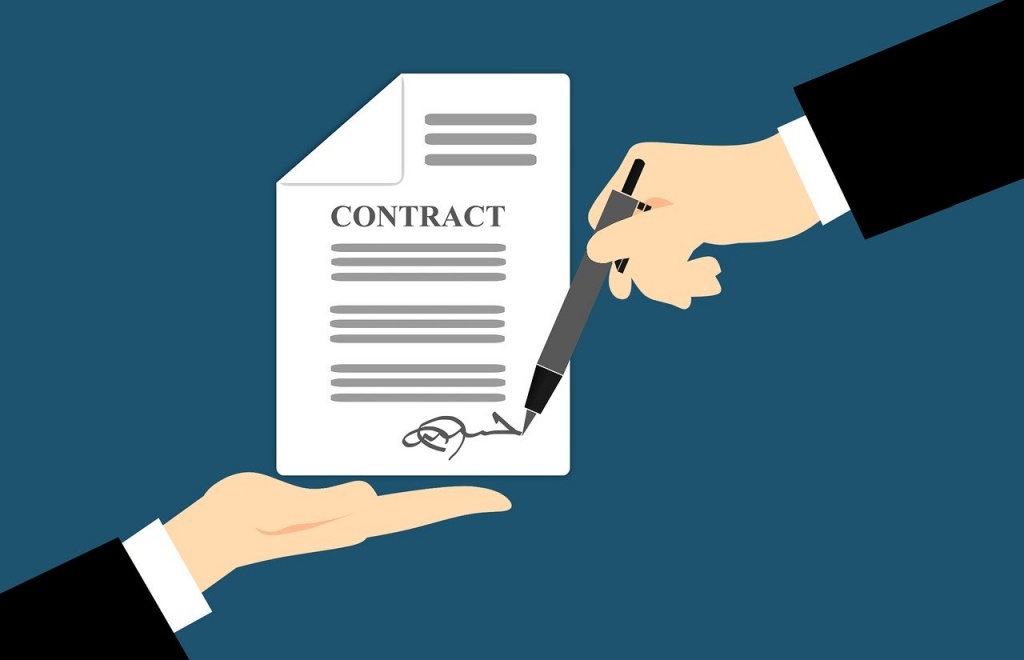
The first thing you want to do when bidding is make sure you’ve signed a non-disclosure agreement that assures confidentiality of highly sensitive material. Most companies will require one. Brokers mainly use it as a non-disclosure non-circumvent agreement. Meanwhile, banks use it to protect their borrowers. It is a piece of document that makes sure important information stays in between the present parties. In addition to non-disclosure agreements, you must qualify to be on a bidders list. Qualifying is important because they want to know about your trade history, the number of trades you have, and the dollar amounts you spent. In many cases they might even ask for your financials, your resume, and your servicer information.
Proper documentation and proof of funding are the essentials that will help you pass these tests and meet requirements in order to qualify for bidding. The documentation will help them know where your stand and the funding will assure that you are capable of funding a tape that makes an indicative bet. Credibility is very important because without it people in this industry won’t trust in you, invest with you, or buy notes from you. It’s always good to maintain a strong positive reputation and never bite off more than you can chew. There’s a surplus of opportunities available out there. Therefore, it is always important to make sure you have funding before you take on a big deal. Our motto at NNG is that service is the product and notes are the commodity. A bad reputation and no credibility can affect your business in many ways; it’s something we should all strive to avoid.

Another thing to keep in mind is that for every trade you make, there is a number of trades that you don’t. There is a real cost and energy that goes on in the back end to finding the right product at the right time for the right price. It is not like blind taste testing or picking a name out of a hat. Bidding and note buying requires both knowledge and preparation which consists of knowing about due diligence, the three buckets, BPO’s and values, senior lien balance, senior lien status, and etc. Do your research! As a note buyer you should be looking at credit reports to know more about the borrower such as their debt load, their senior lien status and balance and whether they are paying on time or not. You should also know the three buckets are high equity, partial equity, and no equity and what each one constitutes of. Those are just a few tips to keep in mind prior to the bidding process and making any purchase.

Fuquan Bilal
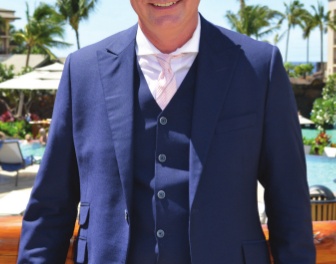
Fuquan Bilal founded NNG in 2012 with the principal mission of capitalizing on the growing supply of mortgage notes in the interbank marketplace. Mr .Bilal utilizes his 17 years of residential and commercial real estate success to identify real estate opportunities and capitalize on them. To date, he has successfully managed three private mortgage note funds that primarily invest in singlefamily performing and nonperforming mortgage notes. His financial acumen and proprietary set of investment criteria enable him to purchase underperforming real estate assets at a deep discount of face and market values, thereby increasing the value of the assets. This, coupled with his ability to maximize the use of leverage, enables him to build strong, secured portfolios with solid passive income flows.