
|
Check out our new audio content!
Getting your Trinity Audio player ready...
|
By Thomas Hodge
For condo boards, small commercial property owners, and facility managers overseeing busy sites, the pressure is constant: keep people and assets safe without turning buildings into fortresses. Property crime prevention has shifted as offenders exploit blind spots, shared access, and everyday routines, leaving traditional locks-and-lights thinking behind. Today’s building safety trends connect commercial building security and residential building protection to practical safety risk reduction that holds up in real-world operations. The payoff is a clearer, more confident way to judge what protections matter and why.
article continues after advertisement

Understanding Deterrence-to-Response Safety
Think of modern building safety as a connected chain, not a shopping list. The deterrence-to-response framework maps how physical security, life safety systems, and smart monitoring work together to discourage trouble, spot issues early, slow harm, and trigger help fast. That structure keeps upgrades from feeling random because each tool has a job in the sequence.
This matters because budgets are limited and disruption is real. A clear framework helps you choose protections that reduce everyday risk without making the property feel hostile. The growing demand behind the building inspection services market valued at USD 11.6 billion in 2025 reflects how many sites are taking a more systematic view.
Picture a busy lobby after hours. Better lighting discourages loitering, access control stops tailgating, and sensors flag unusual door activity. Staff or responders then act on a clear alert, guided by the deterrence, detection, delay, and response steps that turn scattered devices into a plan. With that map in mind, cameras, alarms, and access control start to fit together naturally.
Stop Robbery Risks with Layered Cameras, Alarms, and Access Control
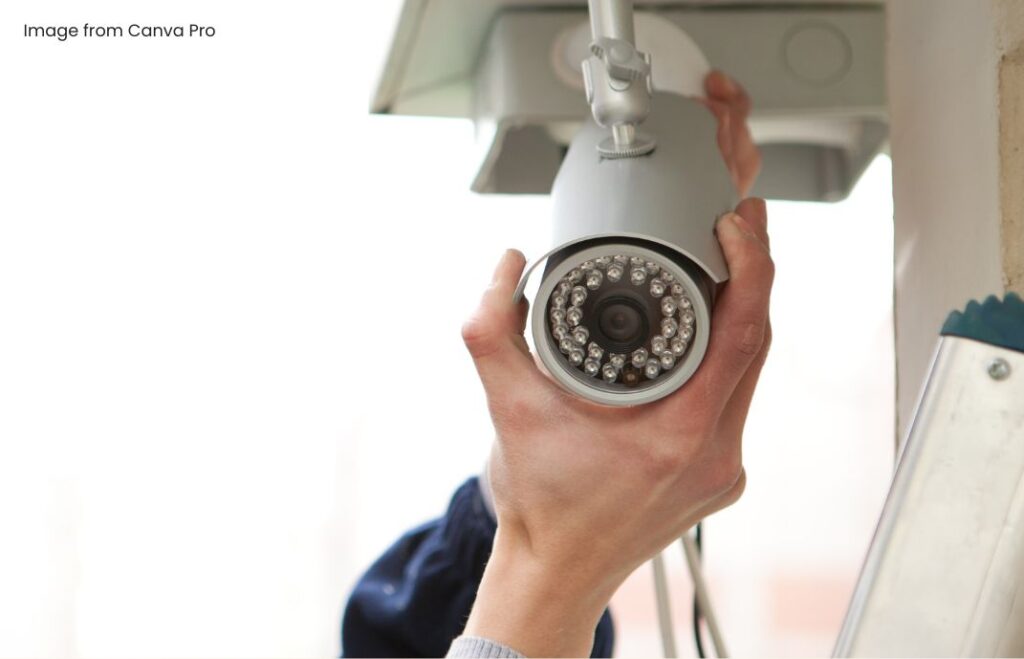
Deterrence works best when it’s paired with tools that detect trouble fast and slow an intruder’s exit. For theft and robbery prevention, install a video surveillance system integrated with an alarm so suspicious activity is both captured and triggers an immediate alert. Many teams use robbery prevention measures to map which entrances, counters, and high-value areas need coverage. To stop “rush in, rush out” attempts, add electronic door-release control so staff, not strangers, decide when doors unlock.
Choose Upgrades That Pay Off: Locks, Lighting, Fire, and Smart Control
Small safety upgrades work best when they reinforce the layers you already have, cameras, alarms, and access control, and when you install them in an order that matches your real risks.

- Harden entry points with advanced security locks: Replace “good enough” deadbolts on main entries with pick- and drill-resistant hardware and consider smart locks where you need audit trails. For rentals and small businesses, prioritize locks that support time-limited codes and instant revocation so you’re not rekeying after every turnover. The point isn’t convenience, it’s tighter control over who can enter and when, which supports your broader access-control plan. Growing adoption shows up in the market trend of the smart lock market, but your selection should be driven by door risk, not gadgets.
- Fix lighting where it changes behavior, not just appearance: Start with the exterior path from sidewalk/parking to the door, then cover side yards, dumpsters, and service entrances. Use bright, downward-facing fixtures to reduce glare and shadows, and add motion activation where people shouldn’t linger (rear doors, loading areas). Inside, upgrade stairwells and corridors with consistent illumination, falls and “I didn’t see them” incidents happen in dim transitions. Good lighting also improves camera footage quality, making your existing surveillance more useful.
- Add fire protection measures that buy time to evacuate: Confirm you have working smoke alarms where people sleep and along egress routes, then add CO alarms near fuel-burning appliances and attached garages. In multifamily or commercial spaces, check that fire doors latch, exit signs are visible, and extinguishers are mounted and accessible, then schedule a simple monthly walk-through to verify nothing is blocked. Consider interconnected alarms so one alert triggers the whole unit/floor; the best system is the one occupants actually hear and can respond to quickly.
- Use smart home monitoring to close “response gaps”: Connect key sensors, door/window contacts, glass-break, water leak, temperature/freezing, and smoke/CO alerts, into a single dashboard with push notifications. Set rules that match real life: for example, “If the alarm is armed and the back door opens, turn on exterior lights and start recording.” This ties your intrusion layers together so cameras capture the right moment and alarms trigger a faster, cleaner response.
- Enable remote building control with safe defaults: Remote control is most valuable for “make it safe now” actions: lock or unlock a door for a verified vendor, turn on all exterior lights after a suspicious motion alert, or shut off a water valve after a leak notification. Protect these controls with two-factor authentication and role-based permissions so one compromised account can’t unlock the entire property. The growth behind the USD 45.68 billion by 2030 smart-home market reflects how common remote controls are becoming, but governance is what keeps them from becoming new risks.
- Prioritize upgrades with a simple risk score: For each area (front door, rear door, stairwell, server closet, boiler room), score Likelihood (1–5) and Impact (1–5), then multiply for a risk score. Install the cheapest high-score fixes first: lighting, door reinforcement, and basic sensors often beat expensive hardware in early ROI. Then fund higher-cost items that strengthen the same layers, locks that improve access control, monitoring that reduces response time, and fire improvements that protect life and limit downtime.
Building Safety Tech Questions, Answered

Q: What safety upgrades give the most value on a tight budget?
A: Start with changes that reduce incidents quickly: better exterior lighting, solid hardware on primary doors, and basic leak or smoke alerts. Then spend on tools that improve response time, like unified notifications and reliable monitoring. Ask vendors for a phased quote so you can stop after each “layer” and still be safer.
Q: How can I use cameras without creating privacy problems?
A: Point cameras at entrances and common areas, not into private living spaces, and post clear signage where required. Use role-based access, short retention windows, and encryption so only authorized people can view footage. If you manage a property, put the rules in writing and share them with residents or staff.
Q: Can older buildings handle smart locks, sensors, and modern alarms?
A: Usually yes, but verify door alignment, wiring condition, and network coverage before buying devices. A locksmith can confirm fit on older frames, and a licensed electrician can flag risks like an electrical system that needs updates.
Q: What does code compliance actually cover for safety upgrades?
A: Think of building code provisions as the baseline for safe exits, fire protection, wiring, and structural basics. Before installing new equipment, check permit needs and confirm your plan will not block egress or disable required fire features.
Q: How much ongoing maintenance should I expect after installation?
A: Plan on simple monthly checks like testing alarms, confirming notifications, and replacing batteries on a schedule. Twice a year, review user access, update firmware, and verify cameras and sensors still cover the right areas after layout or tenant changes.
article continues after advertisement

Build a Layered Safety Plan for Modern Building Protection
Building owners face a constant tension: rising risks and tighter budgets, plus the complexity of choosing tools that actually work together. The practical answer is proactive risk management through layered safety measures, pairing policies, maintenance, and smart systems so modern building protection doesn’t depend on a single device or person. When commercial and residential safety planning follows that mindset, gaps shrink, response improves, and safety technology adoption becomes easier to justify and sustain. Layered protection turns safety from a one-time purchase into an ongoing, manageable plan.
Thomas Hodge created FloodSafety.info to help people better prepare for floods and other disasters that come with heavy rainfall.